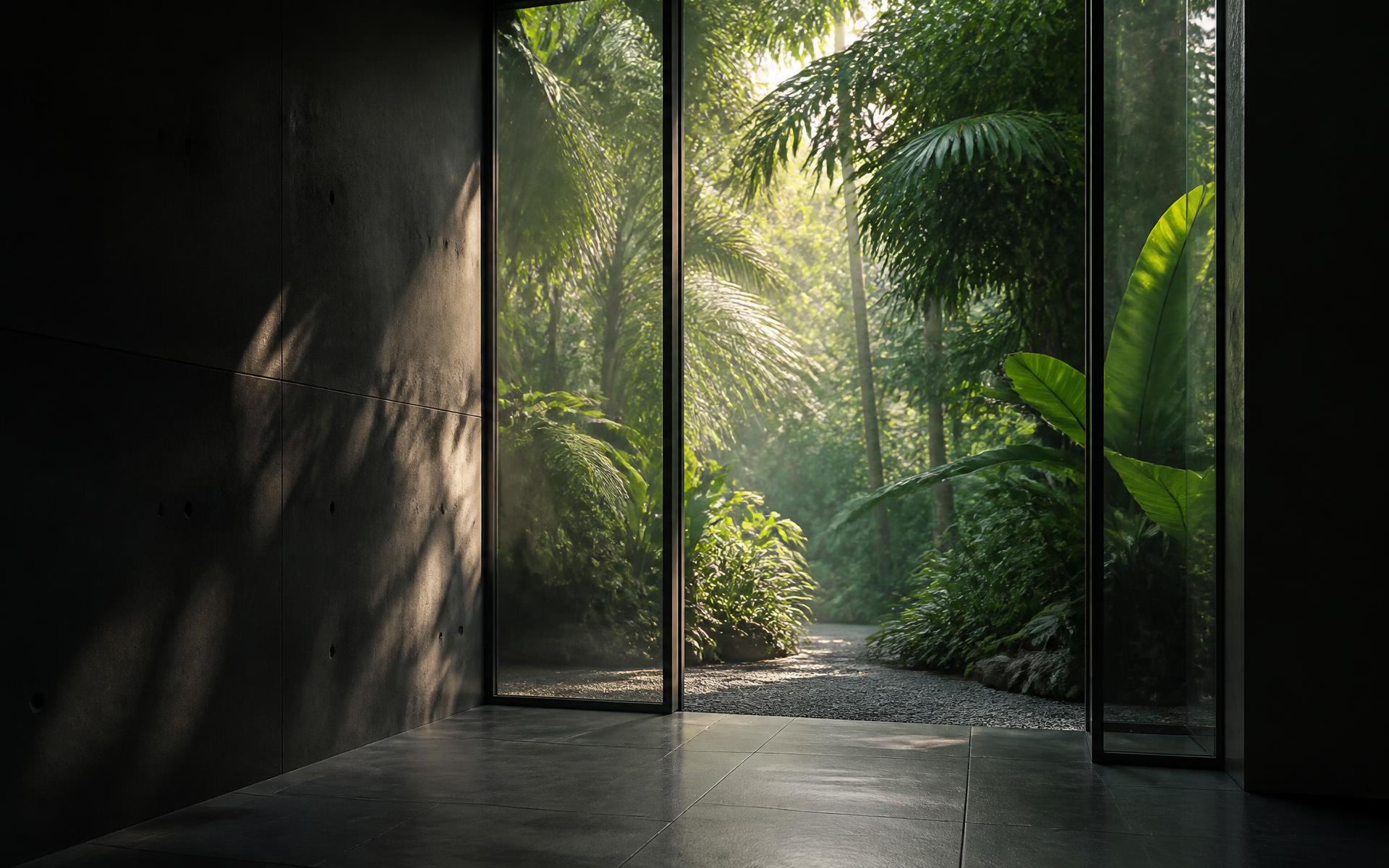

Dim interior opening through glass doors onto sunlit tropical jungle

About Ceiba

We believe disconnection is no longer a luxury. It’s a design choice.

Ceiba was shaped by two very different environments — the modern workplace and the ocean — and by the same conclusion about both.

The problem

Nobody is short of connection. Everyone is short of space.

Most people now spend their working lives inside a permanent stream of input: email, Slack, calendar invitations, notifications, screens, and the quiet expectation that they remain reachable.

Teams are more connected than any generation before them, and somehow have less room for the things that actually move an organization — strategic thinking, hard conversations, reflection, and the kind of trust that only forms when people are genuinely in the same place at the same time.

None of that is a discipline problem. It’s an environment problem.

What happens when we intentionally remove the noise?

Two origins

Ceiba came from two very different places.

One came from the corporate world, through years spent in cybersecurity, law and technology. The other came from the ocean. They arrived at the same realization from opposite directions: the environment we work in shapes the way we think, connect and make decisions.

Empty glass corporate meeting room at dusk with city towers lit behind the window
01

The first origin

The corporate world

Ceiba grew out of Ceiba Law, a firm built around cybersecurity, technology and the organizations operating at the highest levels of risk and responsibility.

Years spent working alongside executives, founders and technology leaders revealed a familiar pattern: the pace rarely stops. Decisions happen continuously. Attention is fragmented across meetings, messages and competing priorities. Even the moments designed for strategic thinking often remain connected to the systems people were supposed to step away from.

We saw what many corporate off-sites had become: the same laptops, the same notifications, the same conversations, simply relocated to a nicer room. It became clear that the problem was not simply that people needed more time away from work.

They needed different conditions for thinking.

That became the starting point for Ceiba: creating environments where leaders and teams could step away from constant input, reconnect with one another and approach important conversations with greater clarity.
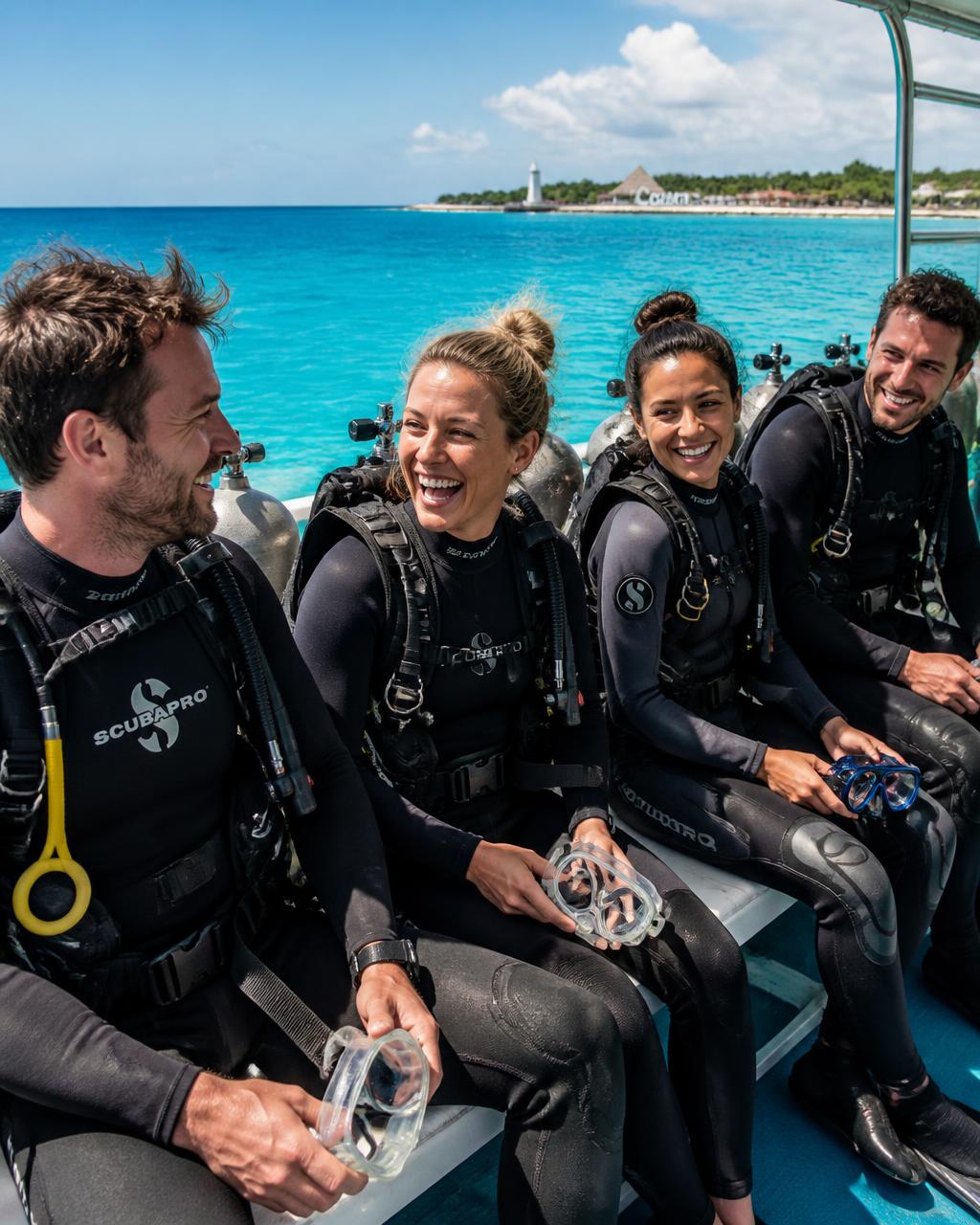

Scuba diver stepping off a dive boat into turquoise Caribbean water in a giant stride entry
02

The second origin

The ocean

The other side of Ceiba came from diving.

Underwater, the conditions are radically different. There is no inbox, no Slack notification, no meeting running in the background. Attention becomes physical and immediate. You are present with your breathing, your body, your surroundings and the people beside you.

The ocean made tangible something the corporate world had made increasingly difficult to experience.

When you change the environment, you change what your attention can do.

That insight became part of the foundation of Ceiba’s immersive experiences. The ocean is not separate from the corporate work, and it is not an escape from it. It is a different environment through which we experience the same principle.

Lone scuba diver silhouetted in deep blue water with sunlight from the surface above

The corporate world showed us the cost of constant connection. The ocean showed us the power of genuine presence. Ceiba brings those two perspectives together, creating experiences designed to change the conditions around people so they can return to what constant connectivity makes increasingly difficult: space to think, space to connect, space to see clearly.

Offline, by design.

The philosophy

Four things we design against.

Environment, time, attention, connection. Every program we build — in a jungle clearing or on a dive boat — is assembled from these four.

01

Environment

Where people sit, eat, sleep and walk shapes what they’re capable of thinking. We treat that as the method, not the backdrop. Open-air rooms, jungle paths, water. No ballrooms, no windowless breakout suites.

02

Time

Depth needs duration. A packed agenda produces activity; an honest one produces decisions. Fewer sessions, longer blocks, real gaps — and recovery scheduled with the same status as the work.

03

Attention

Attention is the resource everything else depends on, and it is the first thing modern work spends. Devices down by agreement, one thing at a time, and environments that make presence the easy option.

04

Connection

People say what they actually think in small rooms, off the record, once they’ve shared something real. Small groups, nothing recorded or published, and experiences done together rather than watched.

The people

A small host team, on the ground with you.

The people who design your program are the people who run it. We bring in specialist faculty — security leaders, clinicians, facilitators, dive professionals and chefs — for the parts that require them.

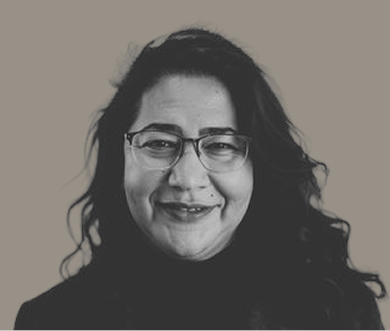
Vanessa Henri, LL.M., CEO & founder at Ceiba

Vanessa Henri, LL.M.

CEO & founder

3x founder and cybersecurity lawyer. She brings the corporate, legal and strategic perspective that shapes the experience.

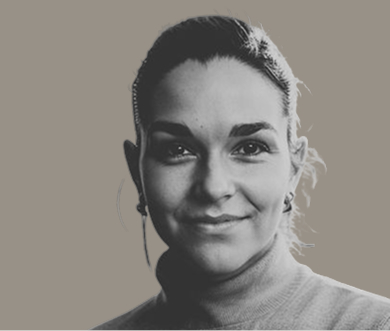
Darcie Rivest, Managing partner at Ceiba

Darcie Rivest

Managing partner

2x founder, ex-tech recruiter, and scuba divemaster. She brings expertise in people, leadership, building meaningful professional experiences.

Ayate Leshaf, Chief learning officer at Ceiba

Ayate Leshaf

Chief learning officer

Learning strategist and educator. She designs the learning architecture, from what gets taught to how each session builds on the last.

Sara Derbel, Chief of staff at Ceiba

Sara Derbel

Chief of staff

Leads the operational side of the experience — coordinating the properties, food, movement and water-based programming that bring the vision to life.

Partners

ONZE Retreats
Althea
CCN

Offline, by design.

Bring us a team and an outcome, or take a seat in one of our own experiences.